
The FiTI focuses on public access to information for 12 thematic areas of marine capture fisheries, such as fishing licenses, vessel registry, catch data, subsidies and beneficial ownership.
The FiTI focuses on public access to information for 12 thematic areas of marine capture fisheries, such as fishing licenses, vessel registry, catch data, subsidies and beneficial ownership.

Transparency needs trust! This is why the FiTI is implemented through National Multi-Stakeholder Groups, equally represented by government, companies and civil society.

Transparency requires a two-sided approach: making data available in the public domain, and ensuring that stakeholders can draw reliable conclusions from it.

Countries are not expected to have complete data for every thematic area from the beginning. Instead, public authorities must disclose the information they have, and where important gaps exist, demonstrate improvements over time.

The FiTI does not replace or duplicate existing government systems. Instead, the need for national authorities to develop and strengthen their own systems for collecting and publishing information online is emphasised.

The FiTI International Board undertakes regular evaluations to verify compliance of all participating countries against the FiTI Standard. This covers the provision of FiTI Reports, the meaningful involvement of stakeholders, as well as the impact of the FiTI in the country.
The FiTI Standard is the outcome of extensive discussions among governments, industrial fishing companies, small-scale fishing representatives, intergovernmental organisations and civil society groups working on fisheries and marine conservation.
It is the only internationally-recgnised transparency
standard to enhance access to information, stakeholder
collaboration, inclusive governance, and accountability in fisheries management.
It defines for the first time what information should be published online by national authorities, how it can be verified, and used more effectively to inform public debate.
We contribute to the sustainability of marine fisheries by supporting the following countries to enhance the accessibility, credibility and usability of national fisheries management information.











The Fisheries Transparency Initiative participated in the 2026 International Conference of Information Commissioners and the UNESCO Global Conference to commemorate International Day for Universal Access to Information 2026 in Sierra Leone.
Fiji has set a new precedent by becoming the first country in the Pacific to join the Fisheries Transparency Initiative (FiTI). Today’s commitment underscores the country’s dedication to strengthening fisheries governance through access to fisheries information and stakeholder collaboration.


On the margins of the 37th session of the Committee on Fisheries (COFI), hosted in the headquarters of the UN-FAO in Rome, the Fisheries Transparency Initiative’s (FiTI) conducted a high-level Speaker’s Corner under the theme “From commitment to action: the transformative force of inclusive and data-driven management”. The event was co-organised by the Federal Ministry for Economic Cooperation and Development of Germany (BMZ), Blue Ventures and Fauna and Flora.
The Federative Republic of Brazil has taken a significant step towards enhancing fisheries governance by joining the Fisheries Transparency Initiative (FiTI). This commitment demonstrates the country’s political will to improve transparency and participation for the benefit of a more sustainable management of its marine fisheries.

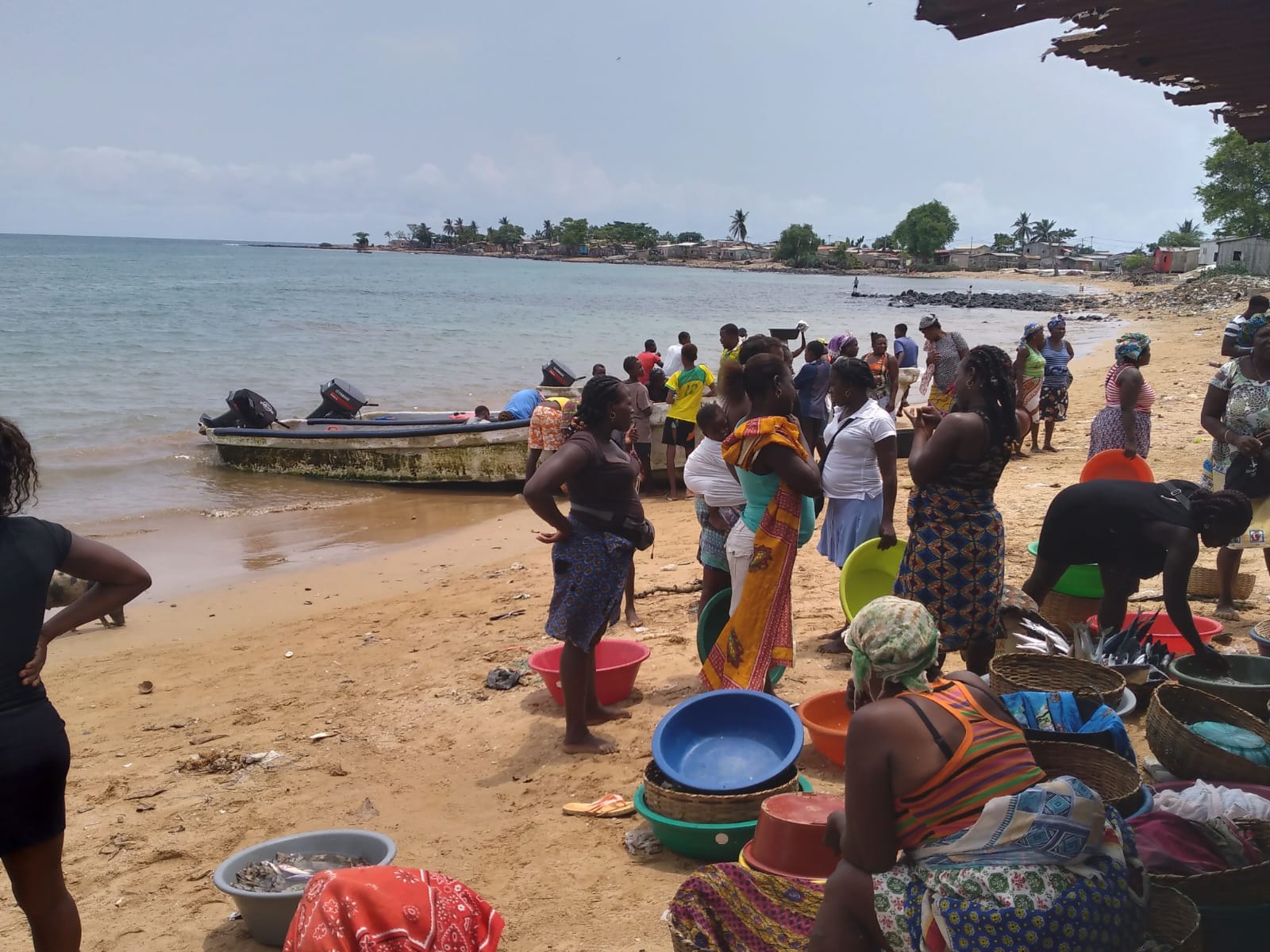
São Tomé and Príncipe continues to strengthen the nation’s fisheries transparency through updates to its Fisheries Information System, and a new capacity-building initiative for the national FIS management team. The new initiative is led by the FiTI International Secretariat in partnership with the Directorate of Fisheries and Aquaculture.
At a two-day academic conference on sustainable company law, co-organised by the Argentinean-German Lawyers Association (ADJV) and Ludwig-Maximilians-Universität München (LMU), FiTI was presented as a practical example of a multi-stakeholder approach to achieving sustainable fisheries management and putting SDG 14 (Life Below Water) into practice.


The FiTI International Board recognised Ghana’s initial efforts in implementing the FiTI Standard by awarding it the official status of a FiTI Implemeting Country, demonstrating the significant steps that the country’s national authorities have conducted to establish an enabling environment for fisheries transparency and stakeholder collaboration.
Governments committed to implement the FiTI Standard
Organisations engaged in National Multi-Stakeholder Groups
FiTI Reports published by FiTI & National Multi-Stakeholder Groups
Recommendations issued by National Multi-Stakeholder Groups
Country validations conducted to assess compliance against FiTI Standard
TAKING STOCK transparency assessments conducted